
Who Shapes the Nigerian Life? We Were in the Room Where It Happened
Over 200 young Nigerians, one question that refused to let anyone off the hook
On Saturday, February 28, 2026 over 200 young Nigerians gathered at Four Points by Sheraton in Lagos for the Zikoko Citizen Townhall. The theme was “Who Shapes the Nigerian Life?”, and by the end of the day, the answer was less comfortable than most people expected.
It wasn’t just a conference or a seminar. It was a room full of people who are tired of the way things are, still curious about how things could be, and honest enough to sit with difficult questions for a few hours.
EiE Nigeria was there. Our Executive Director, Ufuoma Nnamdi-Udeh, sat on one of the panels. But before we get to that, let’s talk about what the day looked like.
─────────────────────────────────────────
What Went Down
The Townhall ran five insightful sessions, including a fireside chat, each one pulling at a different thread of the same question: why does Nigeria keep failing its people, and what does it actually take to change that?
Innovation Under Pressure: How Politics Shapes What Can Be Built in Nigeria
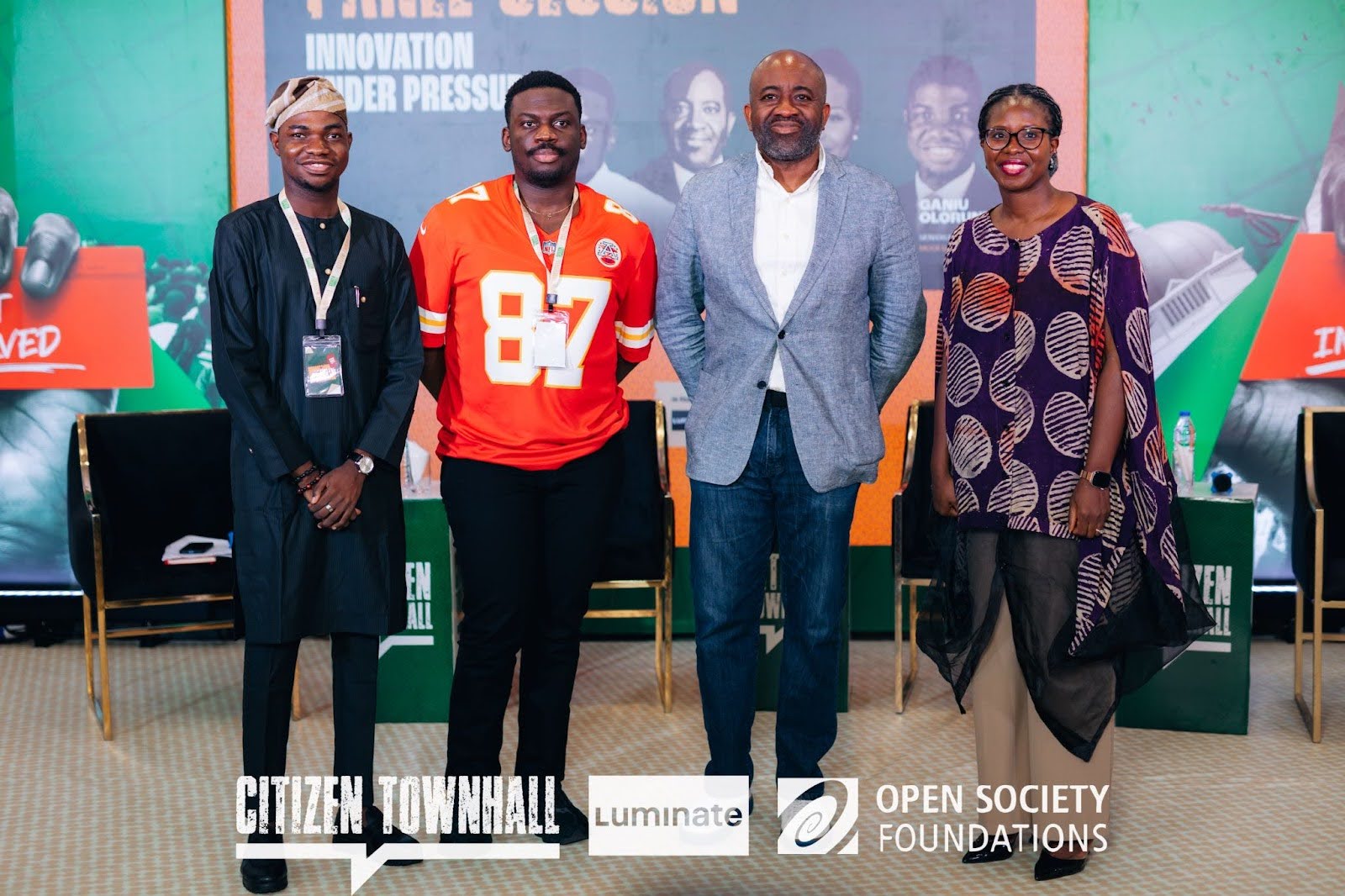
Oswald Osaretin Guobadia of DigitA, Amaka Okechukwu Opara of Weav Capital, and Douglas Kendyson, founder of Selar, talked about the friction between Nigeria’s growing tech ecosystem and its regulators. The argument wasn’t that the government is the enemy of innovation; it was that the government often doesn’t understand what it’s regulating, and that gap is expensive. The 2021 cryptocurrency ban came up as a case study. So did the question of whose job it is to close that gap. The panel’s answer: founders can’t keep waiting for regulators to come to them.
Rebuilding Trust: The Media, Democracy, and the Nigerian Citizen
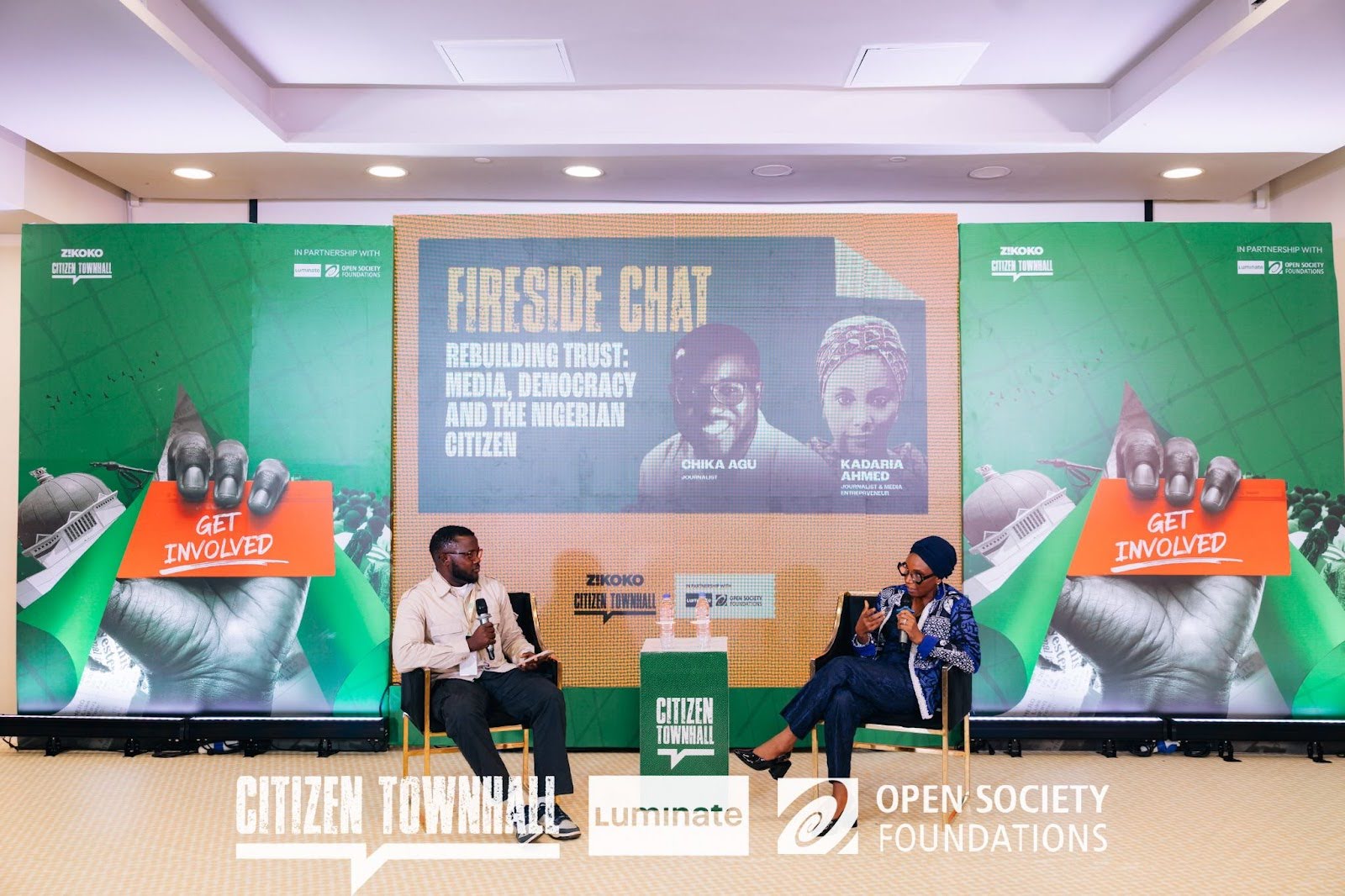
How much do Nigerians trust the media? And what happens to civic life when that trust erodes? Journalist and media executive Kadaria Ahmed, moderated by Chika Agu examined how misinformation and weak editorial accountability have shaped, and sometimes broken the average Nigerian’s relationship with democratic participation. The conversation kept coming back to a simple problem: when people don’t trust the information they’re receiving, they disengage. And disengagement has consequences.
The Nigerian Life: Then, Now, and What Actually Changed?
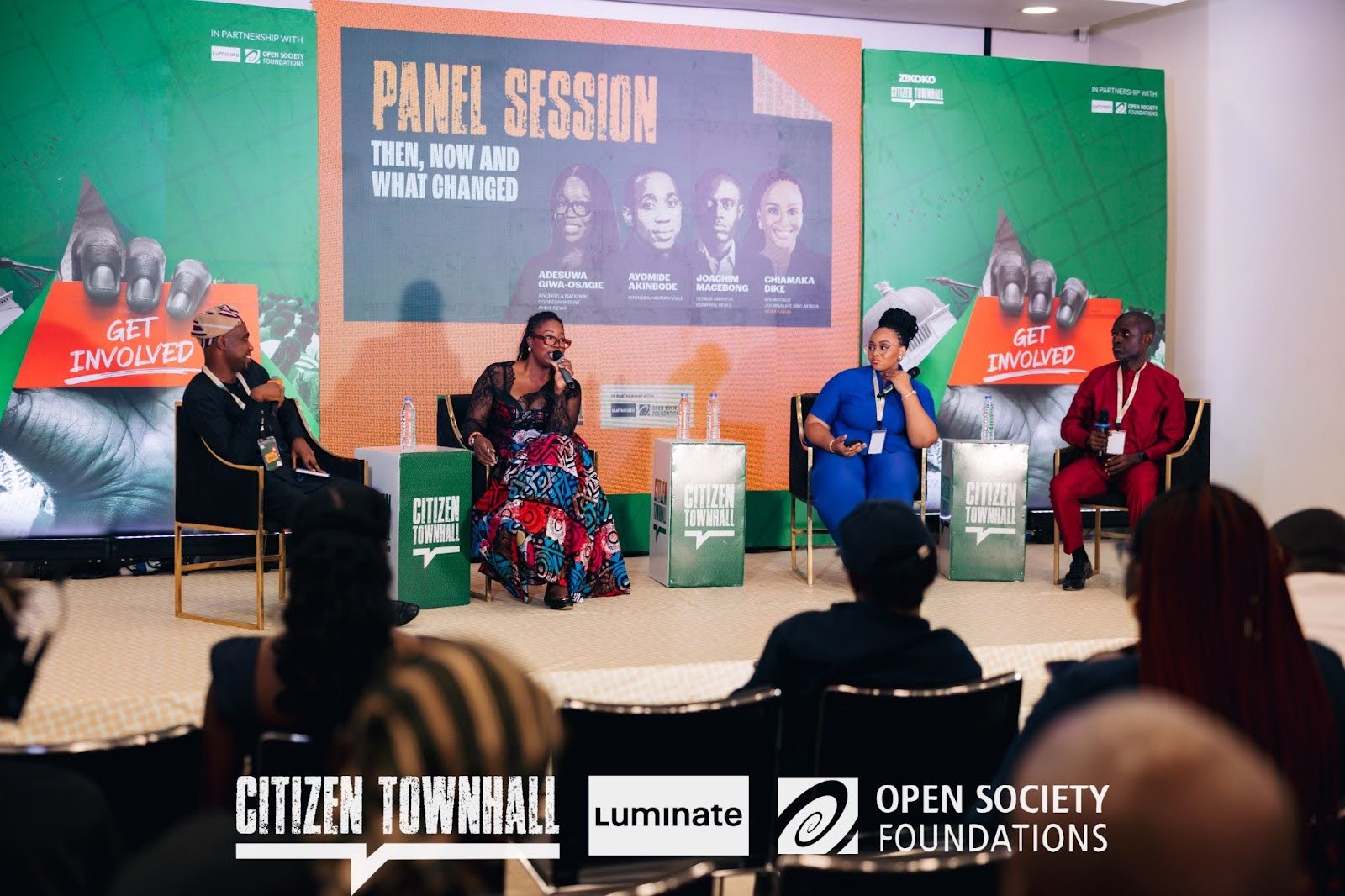
This panel moderated by BBC Africa journalist Chiamaka Dike dismantled a common coping mechanism: nostalgia. The idea that Nigeria was once better, that there were good old days worth returning to, didn’t survive the session. Control Risks analyst Joachim MacEbong pointed to the 1970s as the closest thing Nigeria has had to a golden era, but noted it was built on oil revenue and a smaller population, not good governance. Arise News’ Adesuwa Giwa-Osagie was more direct: “It’s been consistently getting worse.” HistoryVille’s Ayomide Akinbode traced how the state’s relationship with young Nigerians shifted from investment to management, and what that shift cost the country. The panel ended with a warning: without sustained engagement across multiple election cycles, nothing will change.
From Awareness to Pressure: How Accountability Actually Works in Nigeria
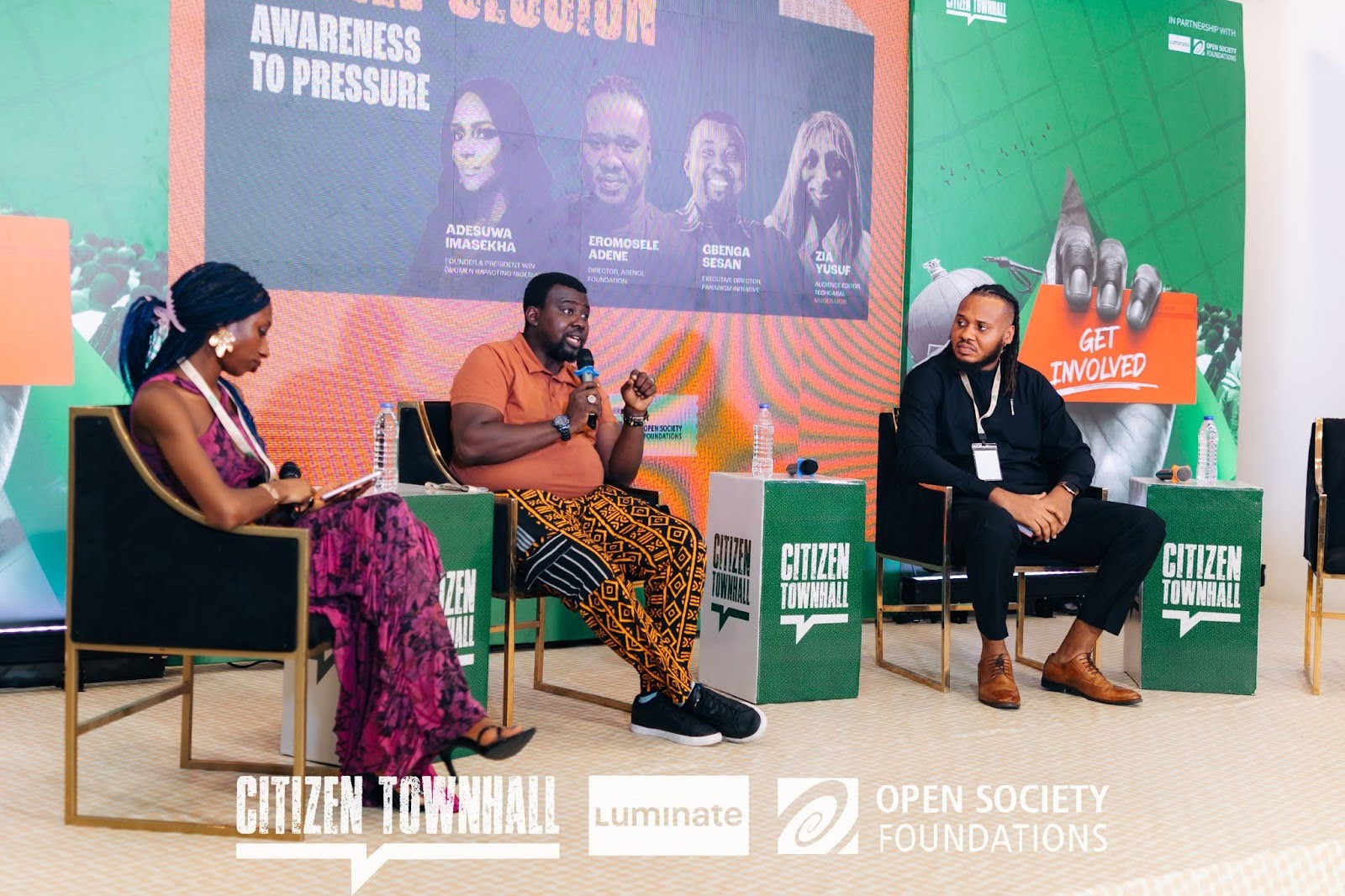
Gbenga Sesan of Paradigm Initiative and Eromz Adene of the Abenol Foundation spent this session making the case that awareness, on its own, has never been enough. Nigerians are aware. The problem is converting that awareness into sustained pressure. Gbenga Sesan pointed to the Bring Back Our Girls movement and EndSARS as proof that civic action plants seeds, even when the immediate results are hard to see. Eromz Adene pointed to the recently passed electoral bill as a missed opportunity: “Awareness is only noise until it’s converted to pressure.” The panel also pushed back on the tendency to focus all civic energy on presidential elections, when local and state elections are often where change is more achievable.
─────────────────────────────────────────
Women, Youth, and the Cost of Exclusion
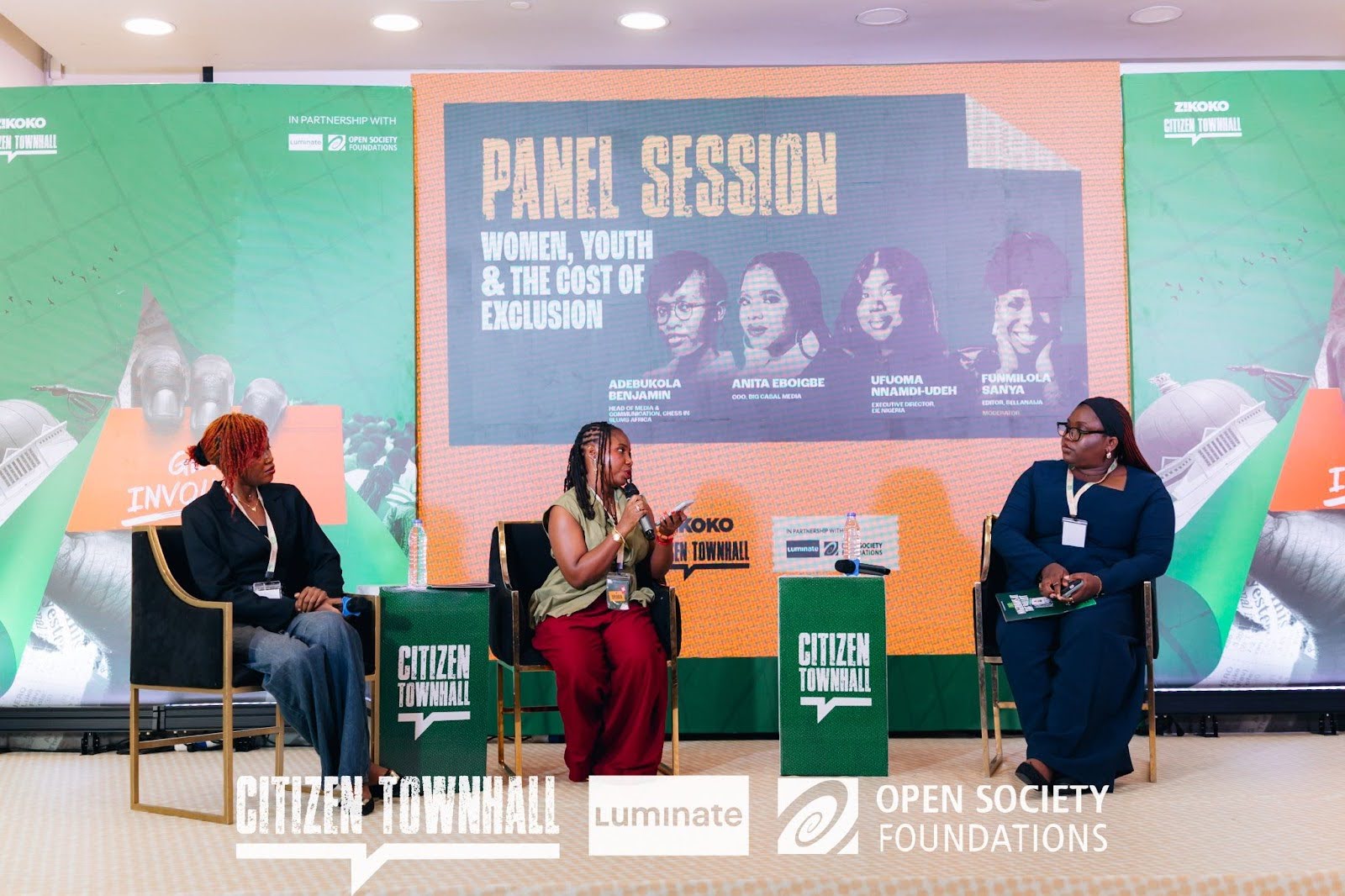
Moderator Funmilola Sanya, editor at BellaNaija, opened this panel session by asking the audience to think about a policy that affected their life. Then she asked: would the outcome have been different if the person who made that policy looked like you? Lived like you?
That question set the tone for everything that followed.
Ufuoma Nnamdi-Udeh, Executive Director at EiE Nigeria, and a panelist on this panel, made the case that excluding women and young people from governance isn’t just morally wrong, it’s economically and structurally costly. When the people most affected by a policy aren’t in the room where it’s made, the policy will fail.
“The people that make the laws don’t bear the repercussions of those things. Once that perspective is not in the room from the beginning, there is no way you can have proper execution or implementation of those policies.” – Ufuoma Nnamdi-Udeh
She pointed to healthcare as a clear example; decisions about maternal health and reproductive rights being made predominantly by people who will never experience those realities firsthand. The same pattern shows up in security policy: women and children are consistently the most vulnerable during crises, yet they are almost never included in peacebuilding conversations.
Adebukola Benjamin, Head of Media and Communications at Chess in Slums Africa, brought the same argument to marginalised youth. Her point was about what happens when young people stop expecting the system to work for them.
“When the system that is supposed to protect them is exploiting them, they create their own system for survival.”- Adebukola Benjamin
Inclusion, she argued, cannot be left to goodwill or timing. It has to be planned, funded, and enforced as part of governance. Being in the room is step one. Having the power to influence what happens in that room is what actually matters.
The panel made one thing clear: Nigeria is making itself weaker by keeping certain voices out. And the country is paying for it; in lives, in money, and in policies that keep missing the mark.
So, What Now?
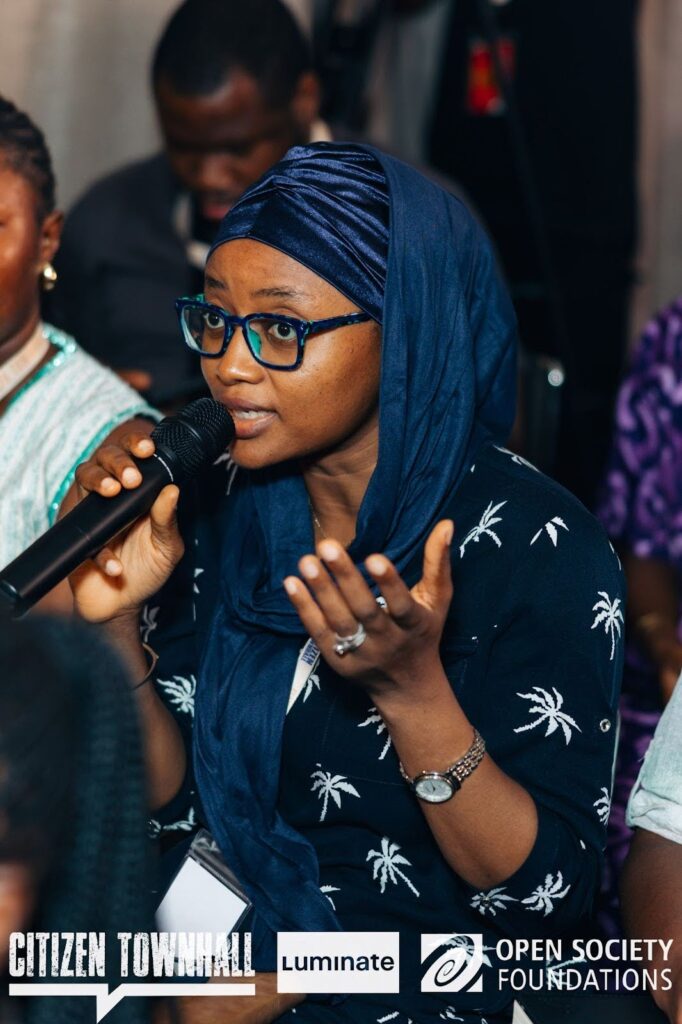
2027 is closer than it feels. And the window to actually influence it, through voter registration, community organising, holding local representatives accountable, is open right now.
EiE Nigeria has been doing this work for years: making sure Nigerians have the information, the tools, and the push they need to participate meaningfully in their democracy. The Citizen Townhall was a reminder of why that work matters, and why it can’t stop at a panel discussion.
So we ask for this on thing:
Start with yourself.
Show up to vote, not only for president, but for your local government rep, your state assembly member, every single election that comes your way. Talk to the people in your circle. Make it normal to care.
And stay connected to the work. Follow EiE Nigeria across our platforms for voter education updates, election monitoring, and civic engagement resources as 2027 approaches.
@EiENigeria | Across all Social Media Platforms
─────────────────────────────────────────
Written by Chinelo Oluigbo Ezinne | March 2026