
Beyond Campaign Promises: Why We Need More Candidate Engagement
Platforms Ahead of 2027
(The Fela Debates offered a glimpse into candidates’ visions for Lagos. As the 2027 elections approach, citizens need more opportunities to question those seeking public office and examine the commitments they make.)
What should citizens expect from those seeking their votes in 2027? Beyond campaign promises, how can they understand candidates’ priorities, examine their proposed solutions and determine what these plans could mean for their communities?
These questions were central to The Fela Debates, held on October 12 as part of Felabration under the theme Elections 2027: Who Are You Re? EiE Nigeria participated in the engagement, which brought together Lagos governorship candidates, civic advocates and citizens to discuss the state’s future.
The candidates who participated outlined proposals on education, healthcare, housing, transportation, electricity, employment and environmental management. Their presentations offered a useful starting point for considering the choices before Lagos voters, but they also reinforced the need for more opportunities to interrogate political promises.
What the candidates proposed
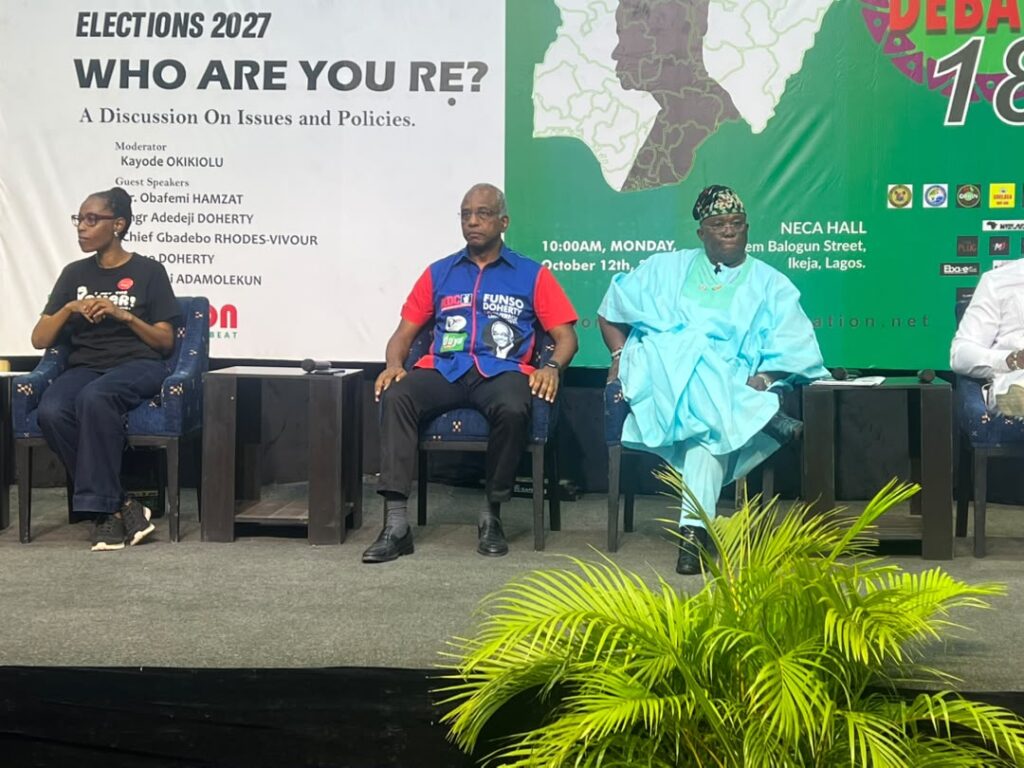
Gbadebo Rhodes-Vivour of the African Democratic Congress (ADC) emphasised human capacity development, proposing vocational training centres at ward level, free skills training and feeding arrangements for participants.
He also proposed delivering 100,000 housing units within four years, alongside expanding rail transportation, improving waterways and adopting more sustainable approaches to waste management.
Funsho Doherty of the Nigeria Democratic Congress (NDC) focused on citizens’ welfare, arguing that government performance should be measured by improvements in people’s lives rather than infrastructure projects or revenue figures alone. His proposals included free education through secondary school, school meals, transportation support for pupils and stronger accountability institutions.
Adedeji Doherty of the Peoples Democratic Party (PDP) highlighted affordability and access to essential services. His proposals included partnerships with pharmaceutical manufacturers to reduce medicine costs and exploring state investment in the electricity sector to help lower costs for consumers.
Although their approaches differed, the candidates addressed issues that directly affect residents’ everyday lives. Their proposals also raised important questions about funding, implementation, institutional capacity and how citizens would measure progress.
These are precisely the questions candidate engagement platforms should help citizens ask.
Candidates must be available for public scrutiny
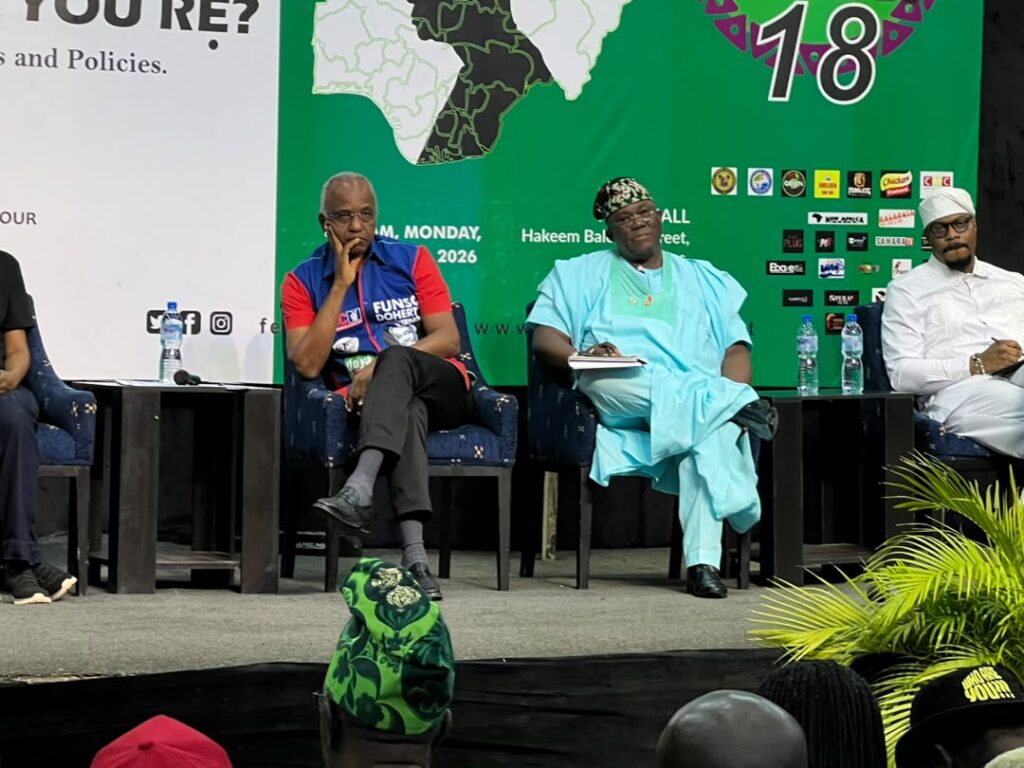 The absence of Obafemi Hamzat, the governorship candidate of the incumbent party, was also notable. He did not attend The Fela Debates and was reported to have attended the Seyi Tinubu Colloquium instead.
Candidate engagement requires organisers to create credible platforms, but it also requires candidates to make themselves available for public conversations. Citizens need opportunities to hear directly from those seeking their votes, ask questions and seek clarification on proposed policies.
One event does not define a candidate’s entire record of public engagement. Nevertheless, opportunities for issue-based scrutiny should be taken seriously by those seeking public office.
Accountability should not begin only after elections. Citizens should be able to examine public commitments before deciding who to entrust with a mandate.
Creating more opportunities ahead of 2027
At EiE Nigeria, we believe citizens need more than campaign messages to make informed electoral choices. They need opportunities to engage candidates directly, examine their proposals and keep public commitments in view.
Our partnership with AdvoKC on the upcoming Lagos Governorship Hustings is one opportunity to advance this conversation.
Beyond this partnership, EiE is developing candidate engagement opportunities in Lagos and Rivers through our Candidate Accountability Series – Lagos & Rivers 2027. The initiative is designed to connect citizens’ concerns with candidate engagement and public accountability.
The work includes a major candidate-community forum in each state, monthly radio engagements and the development of a consolidated Youth Governance Agenda.
These engagements are intended to bring citizens’ priorities into conversations with those seeking public office and create opportunities to examine proposed responses to local challenges. The objective is not to tell citizens who to vote for, but to help them ask better questions and make informed decisions.
Importantly, the conversation should continue beyond the events themselves. The issues raised and commitments made should inform ongoing civic education, public discussion and scrutiny throughout the election cycle.
The question for 2027
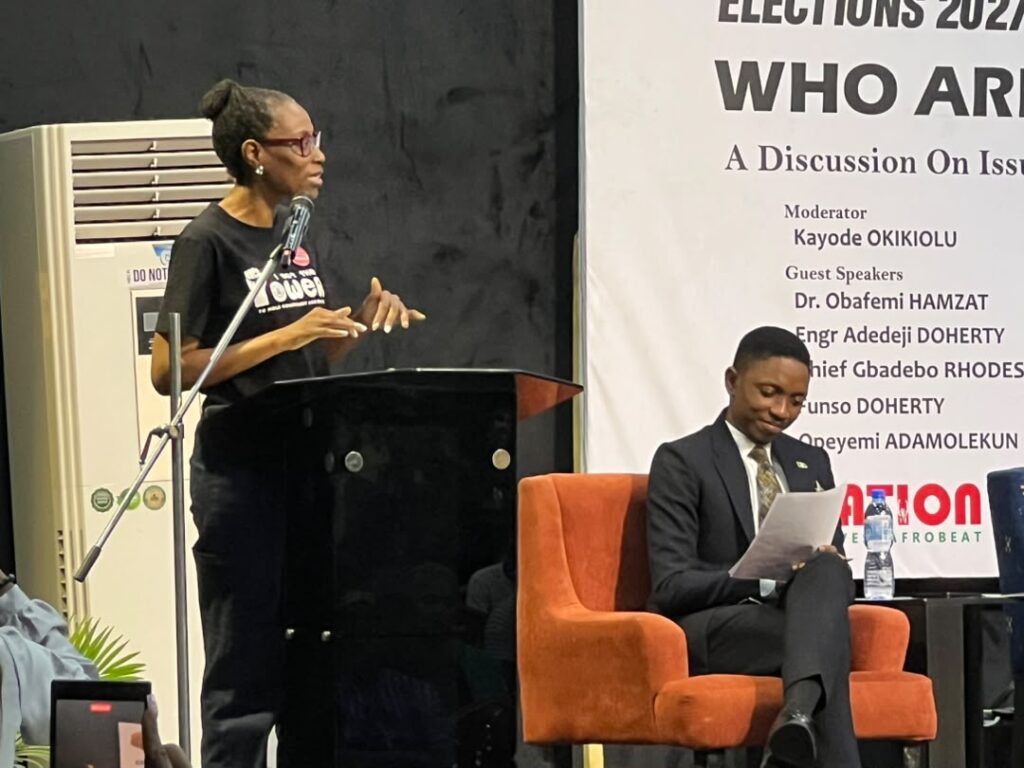
The Fela Debates provided an opportunity to hear participating candidates outline their visions for Lagos. The next step is to create more spaces where citizens can question those visions, understand the proposals behind them and assess what they could mean for their lives.
As the 2027 elections approach, we need more candidate engagement platforms, greater participation from those seeking public office and more opportunities for citizens to engage both governorship and legislative candidates.
Democracy requires more than choosing leaders. It requires an informed citizenry and meaningful opportunities to hold those seeking public office accountable.
The question is not only who wants our votes, but what they intend to do with the mandate they seek, how they intend to do it and how citizens will know whether they have delivered.
Citizens deserve the opportunity to ask. We need more platforms that make those conversations possible.
Content provided by EiE Nigeria

Akindeji Aromaye is a Senior Media Consultant at Enough is Enough (EiE) Nigeria, a prominent civic organization focused on good governance, public accountability, and civic education.